Dhanwantari Institutions
HOD Desk

–PROF. JYOTHI N M.Sc, B.Ed,(Ph.D)
Head of the Department – BCA , MCA
Welcome to the Department of Master of Computer Applications (MCA). Our department is dedicated to providing quality education and developing skilled professionals in the field of computer science and applications.
We strive to create a learning environment that blends theoretical knowledge with practical exposure, innovation, and research. Our goal is to nurture students into competent technologists, ready to meet industry demands and contribute effectively to society.
We take pride in our committed faculty, motivated students, and a curriculum that keeps pace with the rapidly changing world of technology.
Masters of Computer Application (MCA)
The MCA program is meticulously crafted to transform students into adept professionals in the realm of computer science and applications. With a curriculum that bridges theoretical knowledge and practical application, the program ensures that graduates are prepared to tackle the complexities of modern technology landscapes.
In today’s rapidly evolving business world, industries demand innovative solutions and advanced technological skills. The MCA program addresses these demands by immersing students in the latest advancements in IT, enabling them to stay ahead of the curve. Through rigorous coursework, hands-on projects, and exposure to real-world challenges, students gain the expertise needed to thrive in competitive environments.
Our program not only focuses on technical proficiency but also fosters critical thinking, problem-solving abilities, and leadership qualities. Graduates emerge as well-rounded professionals capable of driving technological innovations and contributing significantly to their organizations and society at large. The MCA program is your gateway to becoming a leader in the ever-expanding field of computer science and applications.
Maters in Computer Application is a degree program that is compatible with international standards that gives an opportunity to MCA graduates to pursue careers in IT and ITES domains worldwide. Our Masters programme spans over 4 semesters spread over a period of 24 months and the last six months are dedicated for the internship project. Students have the opportunity to work in an industry as an intern in the area that they would like to specialize in and must create a comprehensive internship project.
Why choose this Course?
-
Industry-Relevant Curriculum: Designed to meet current trends in software development, data science, AI, and emerging technologies. -
Experienced Faculty: Highly qualified and dedicated professors with strong academic and research backgrounds. -
Practical Learning: Emphasis on hands-on training through labs, projects, internships, and real-world applications. -
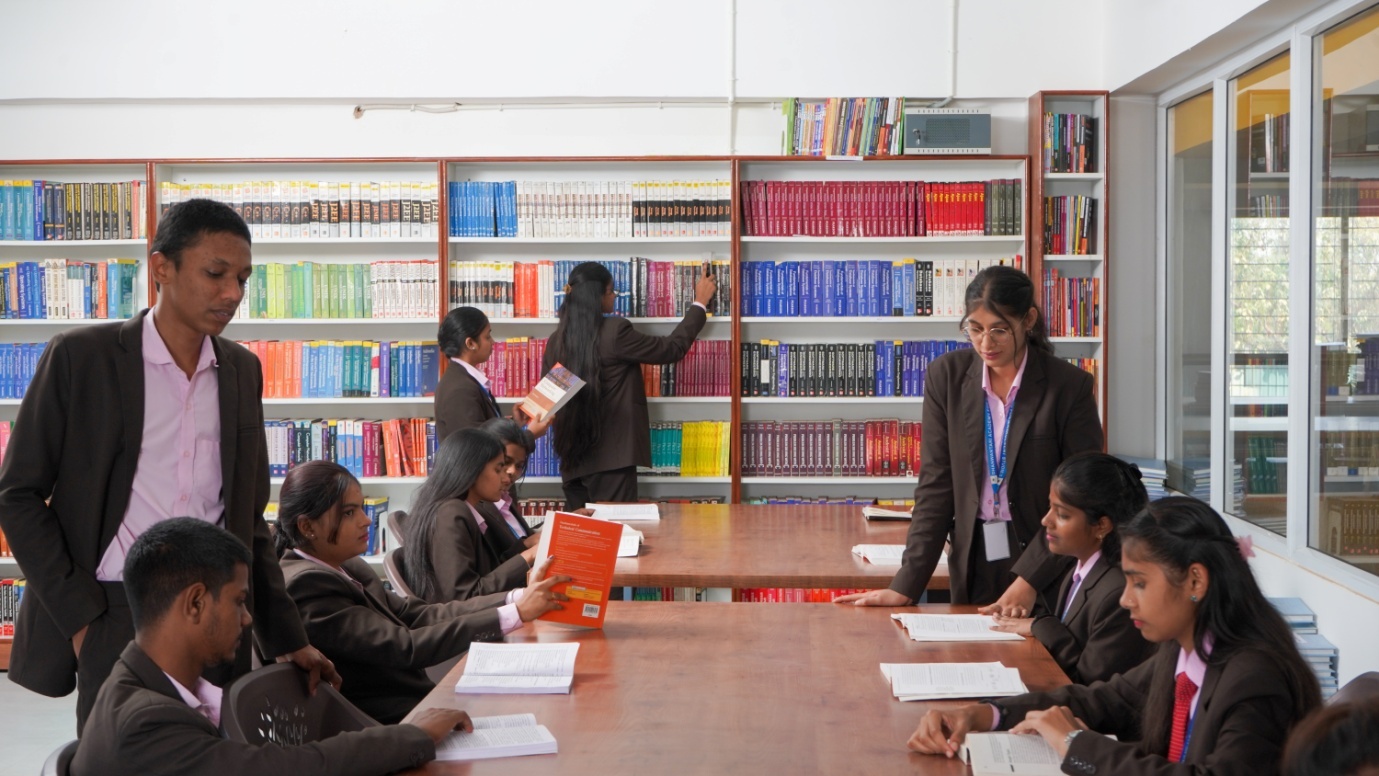
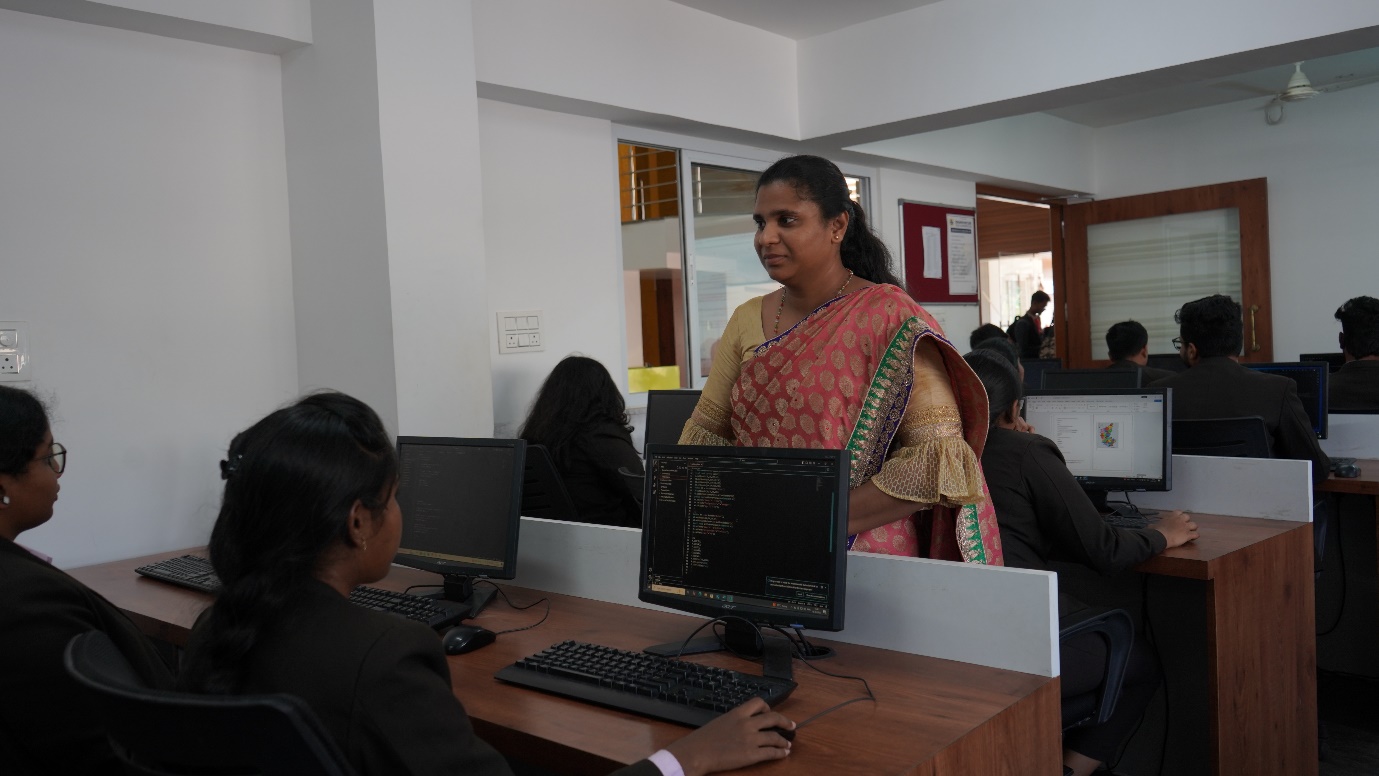
Modern Infrastructure: Well-equipped computer labs with updated software and high-speed internet connectivity. -
Career Opportunities: Strong placement support and industry tie-ups help students build successful IT careers.
-
Research and Innovation: Encouragement for mini projects, research papers, and participation in hackathons and technical events. -
Holistic Development: Personality development, communication skills, and leadership training integrated into the program. -
Student-Centric Approach: Mentorship, counselling, and guidance to support students academically and personally. -
Value-Based Education: Focus on ethics, professionalism, and lifelong learning to create responsible technologists.
Academics
Master of Computer Applications (MCA)
Programme Outcomes(POS)
-
P01 Foundation Knowledge: Apply knowledge of mathematics, programming logic, and coding fundamentals for solution architecture and problem-solving. -
P02 Problem Analysis: Identify, review, formulate, and analyse problems primarily focussing on customer requirements using critical thinking frameworks. -
P03 Development of Solutions: Design, develop and investigate problems with as an innovative approach for solutions incorporating ESG/SDG goals. -
PO4 Modern Tool Usage: Select, adapt, and apply modern computational tools such as the development of algorithms with an understanding of the limitations including human biases. -
P05 Individual and Teamwork: Function and communicate effectively as an individual or a team leader in diverse and multidisciplinary groups. Use methodologies such as agile. -
P06 Project Management and Finance: Use the principles of project management such as scheduling, and work breakdown structure and be conversant with the principles of Finance for profitable project management. -
P07 Ethics: Commit to professional ethics in managing software projects with financial aspects. Learn to use new technologies for cyber security and insulate customers from malware -
P08 Life-long learning: Change management skills and the ability to learn, keep up with contemporary technologies and ways of working.
Eligibility
-
Candidates who have passed an Undergraduate degree with a minimum aggregate of 50% and above, from any recognised University in India or abroad recognised by UGC / AIU, are eligible to apply. -
Students appearing for their final degree examinations in March-June 2025 are also eligible to apply (Applicants who are in the last year of their studies should have secured 50% or above aggregate in all the Semesters / Years of Undergraduate Examinations conducted so far). -
Applicants from non-Computer Science should have studied any of the following subjects at the Pre- University or Degree level – Mathematics, Computer Science, or Business Mathematics.
BU-MCA SYLLABUS
TIME TABLE
OLD QUESTION PAPERS COURSE AND SEMESTER
Achievers
- Patent Published on Machine Learning Based Adaptive Learning Pathways System (2024–2025) – Prof. M. Praveena.
- Book Written on sdkhksfdkjsk-Prof. Jyothi N.
- Patent Published on Machine Learning Based Adaptive Learning Pathways System (2024–2025) – Prof. M. Praveena.
- Book Written on sdkhksfdkjsk-Prof. Jyothi N.
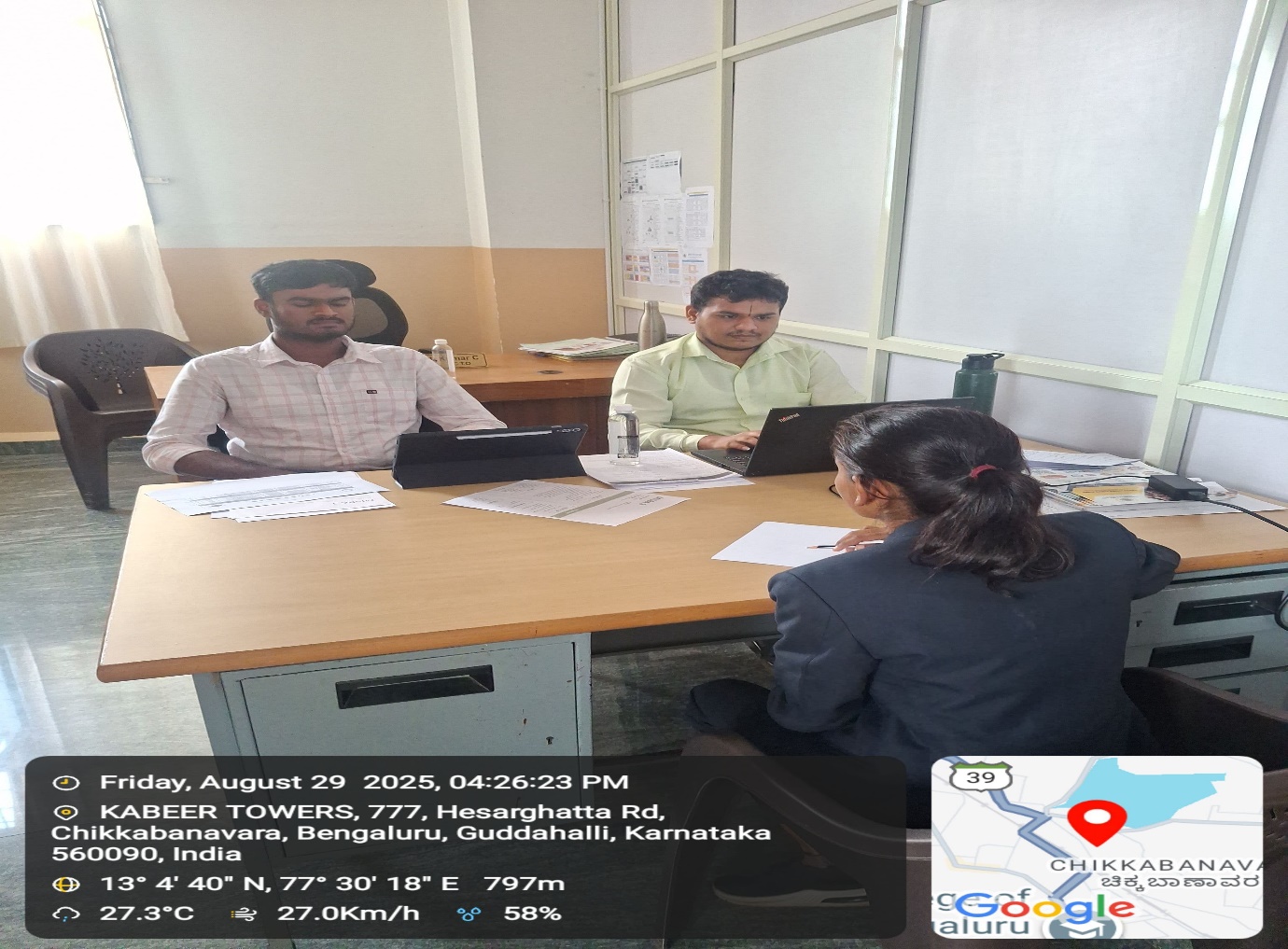
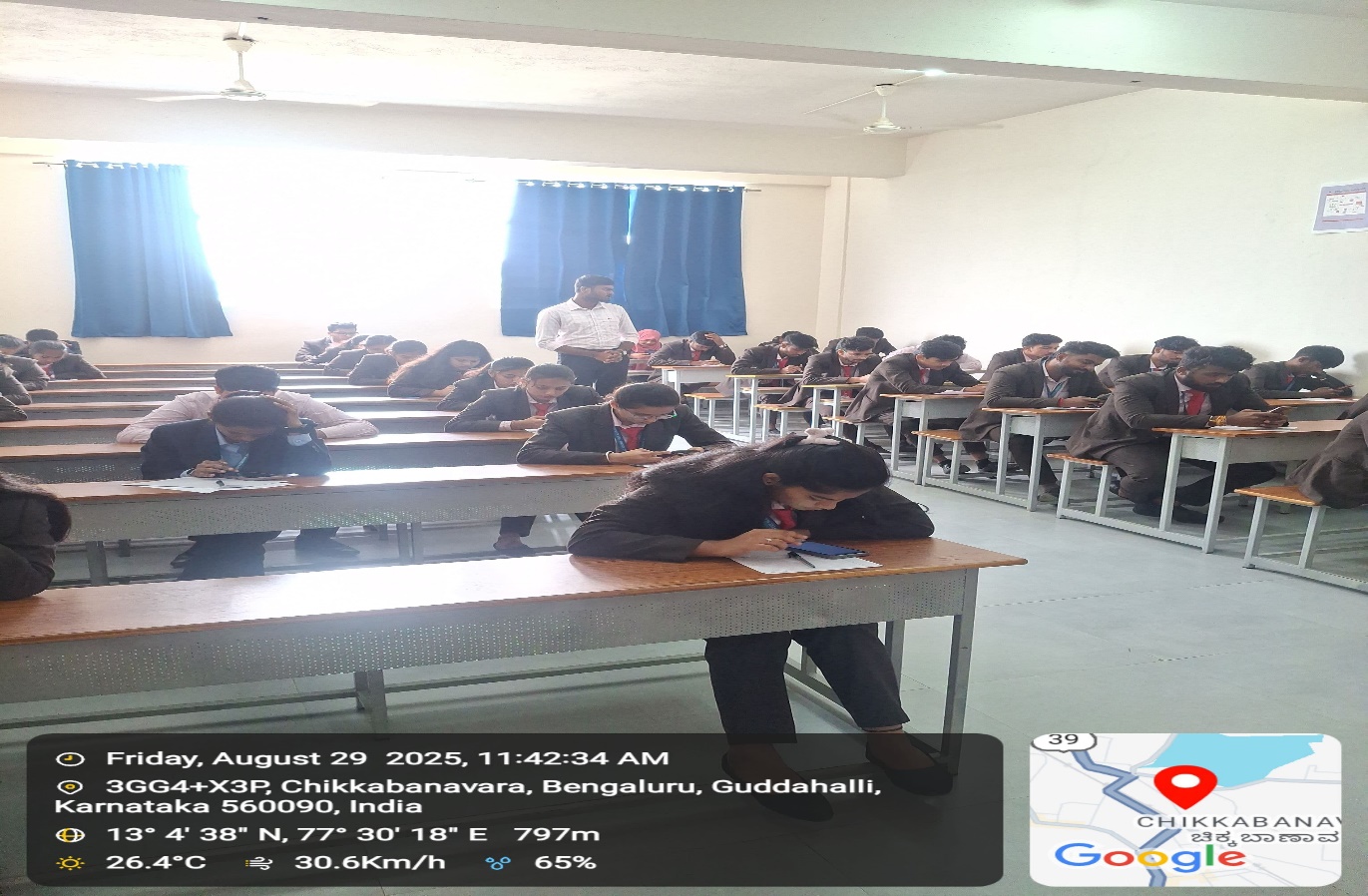
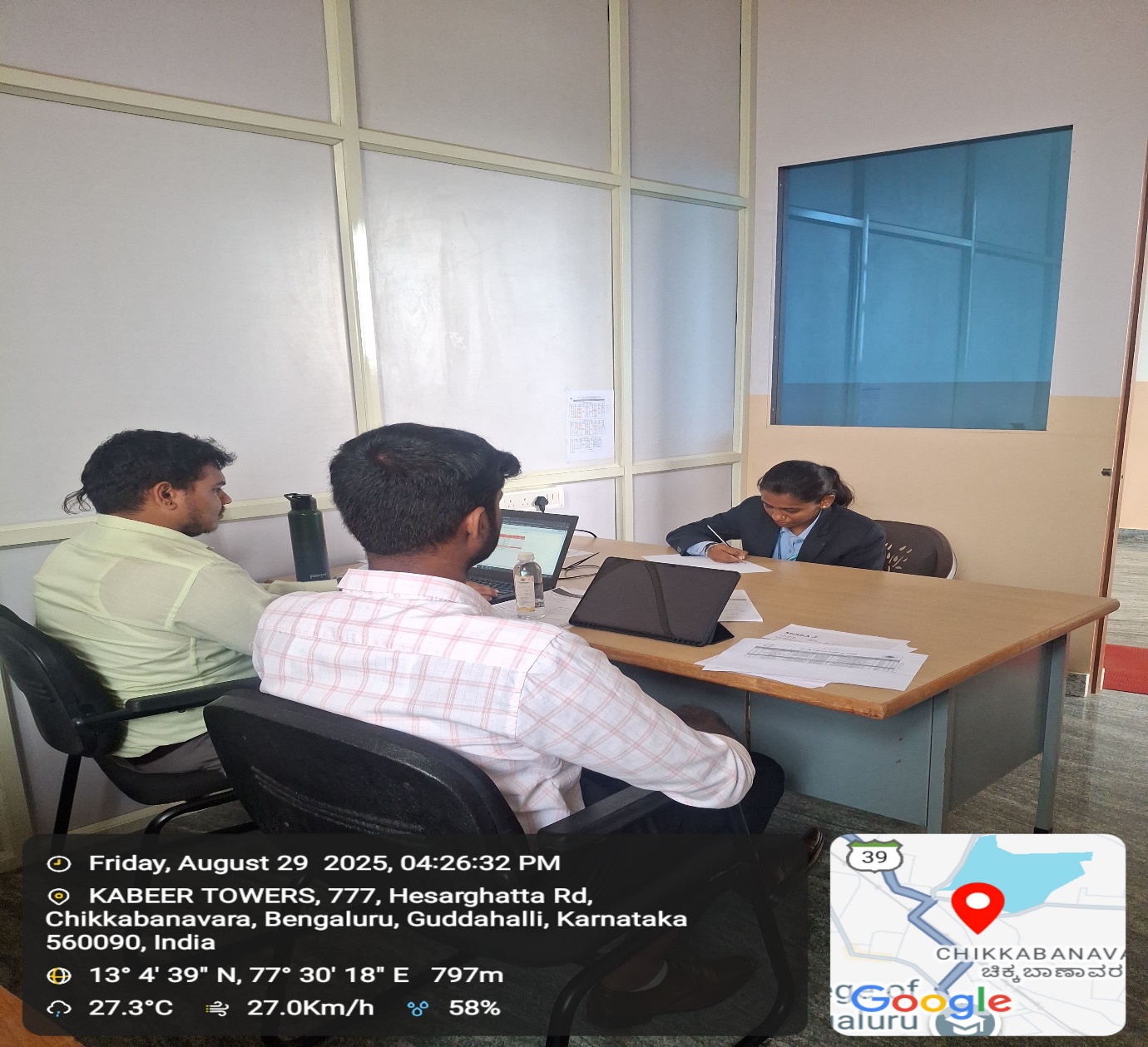
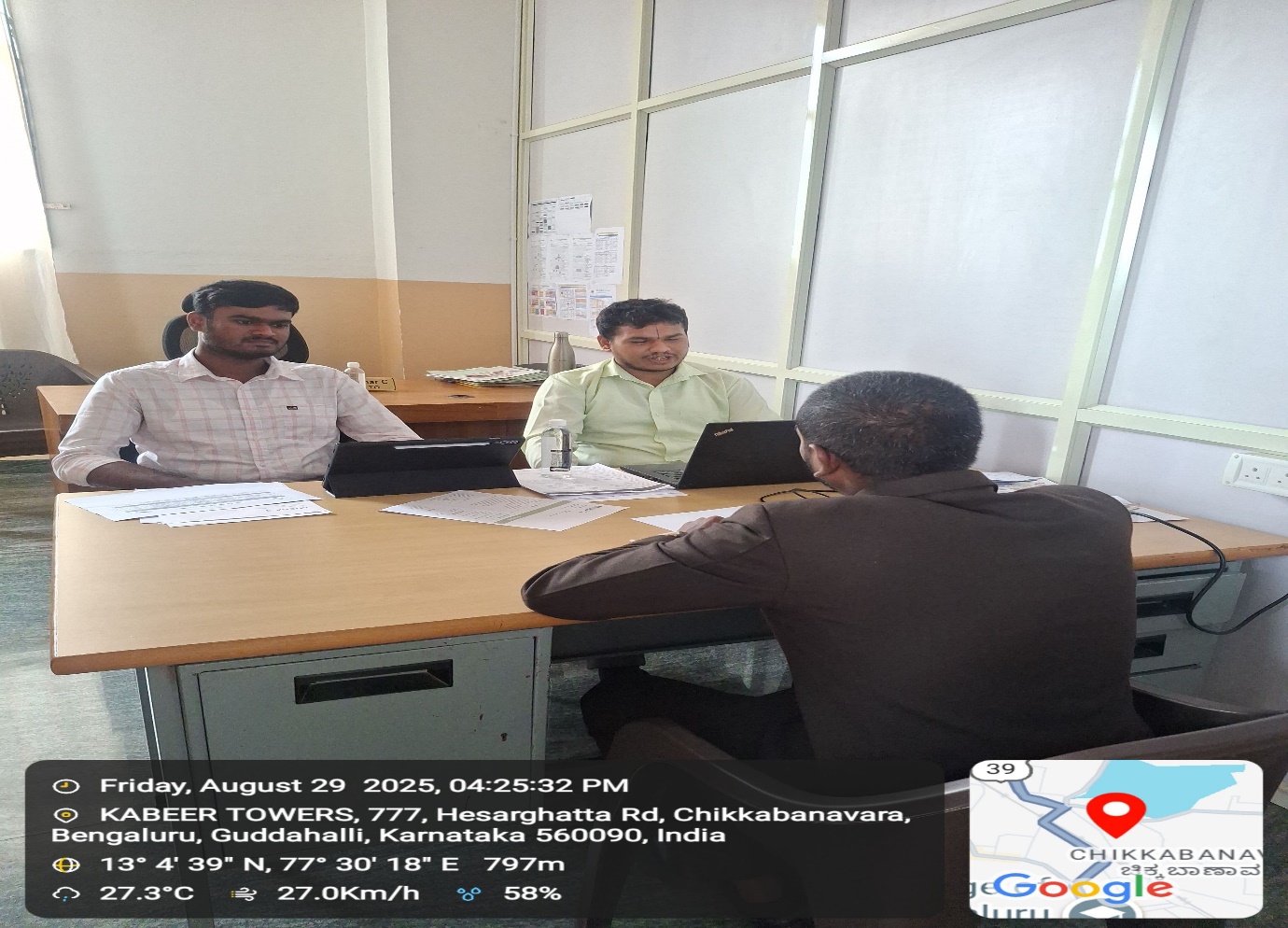
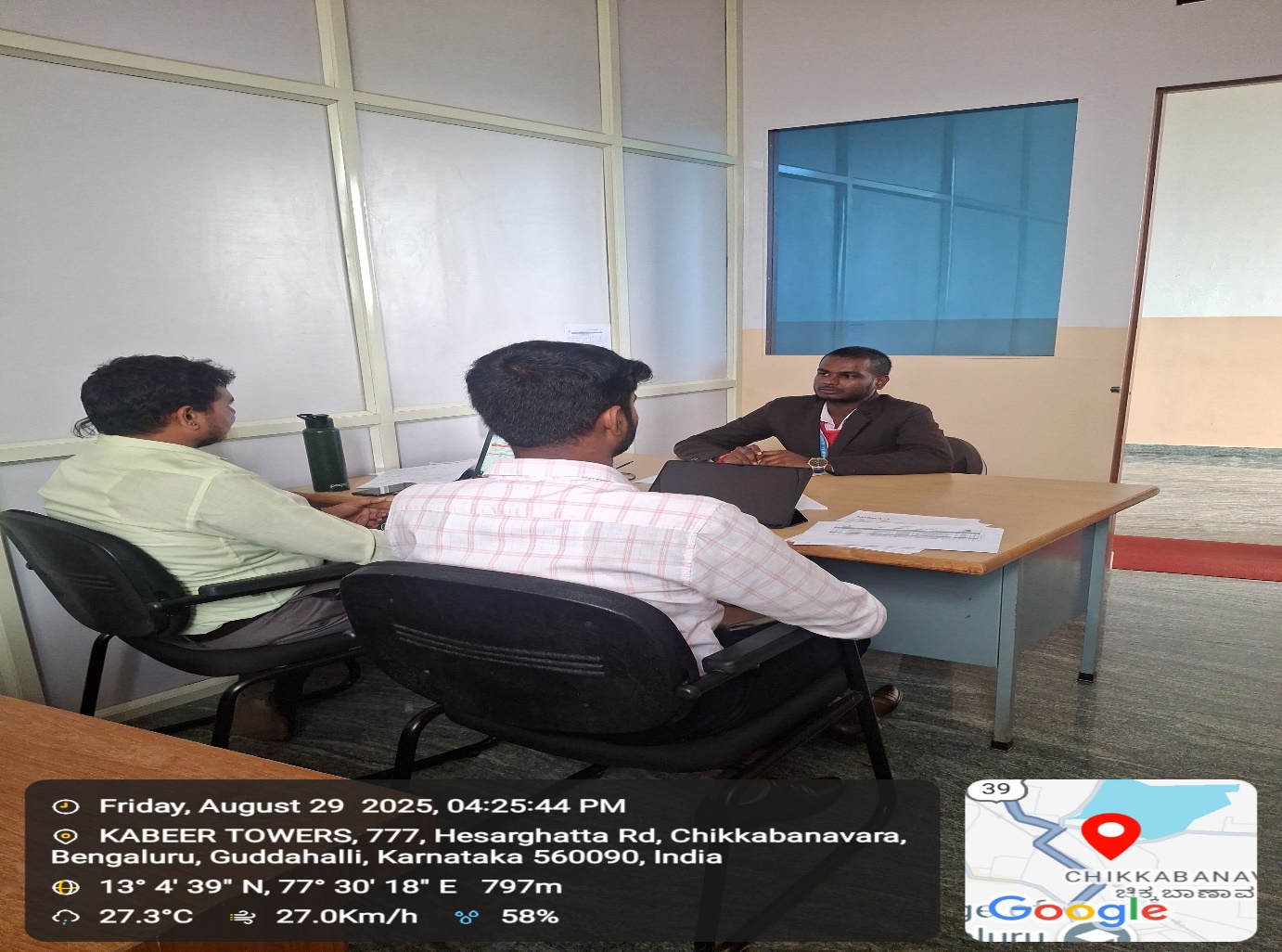
Placement training
Infrastructure
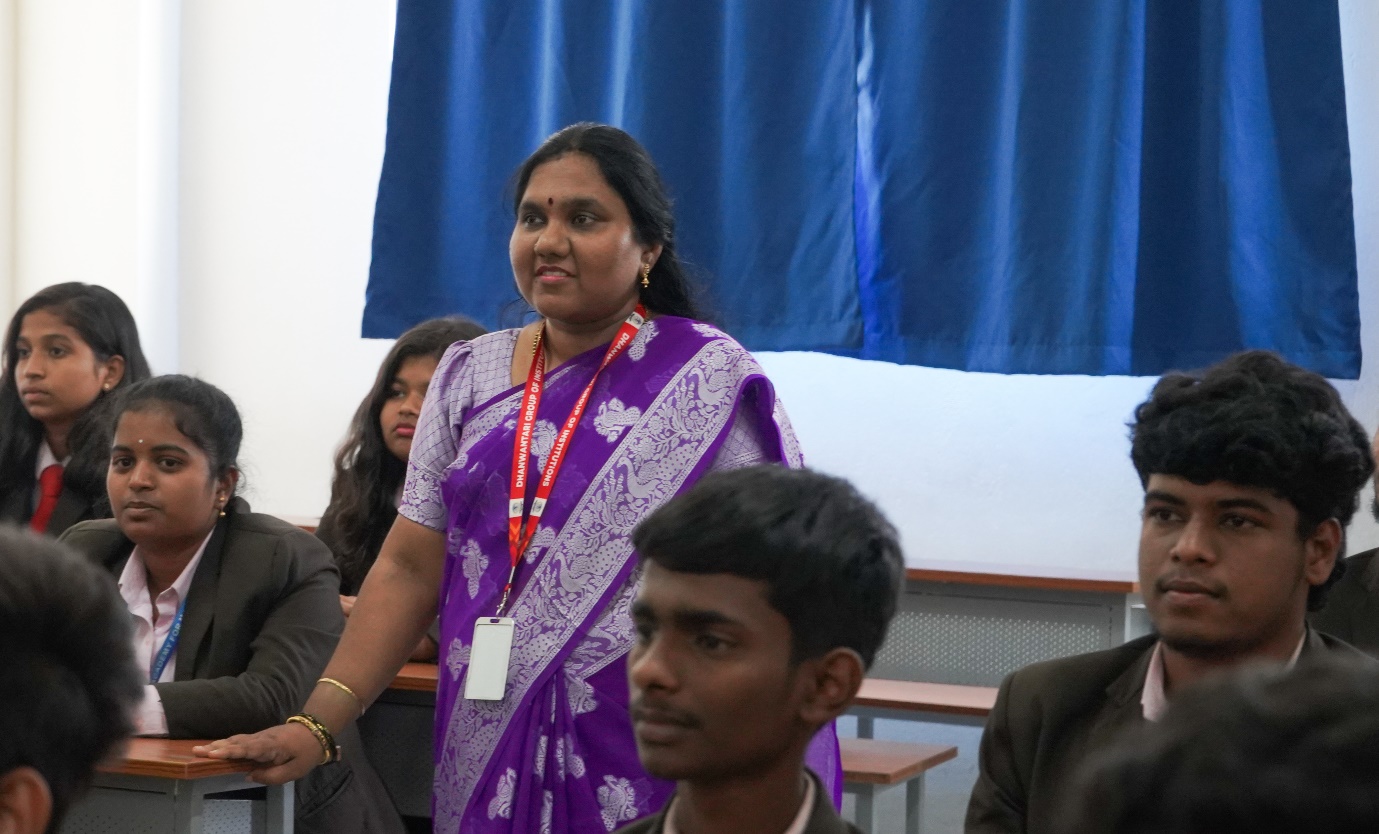
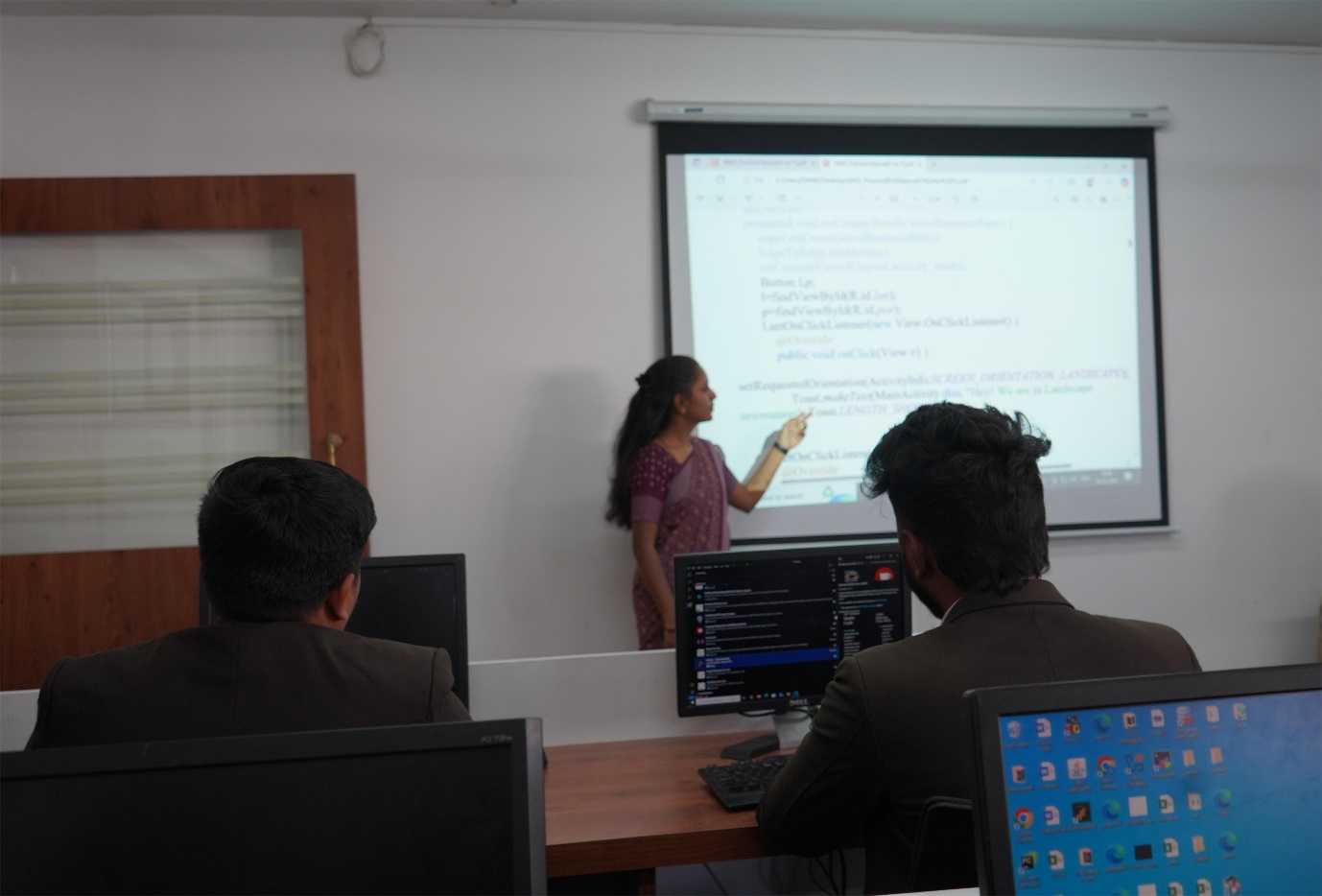
Industrial Visit
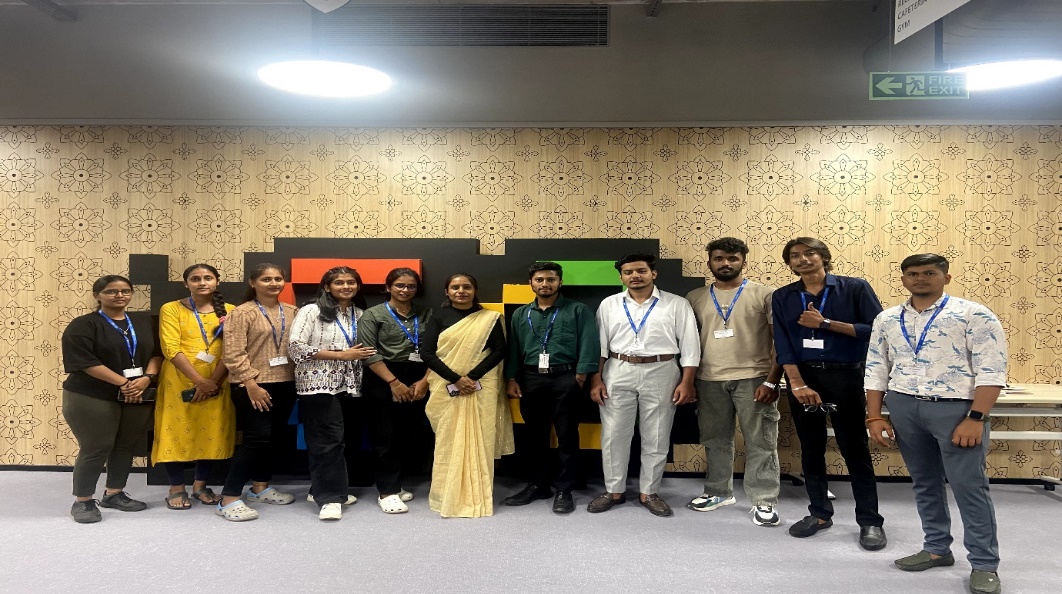
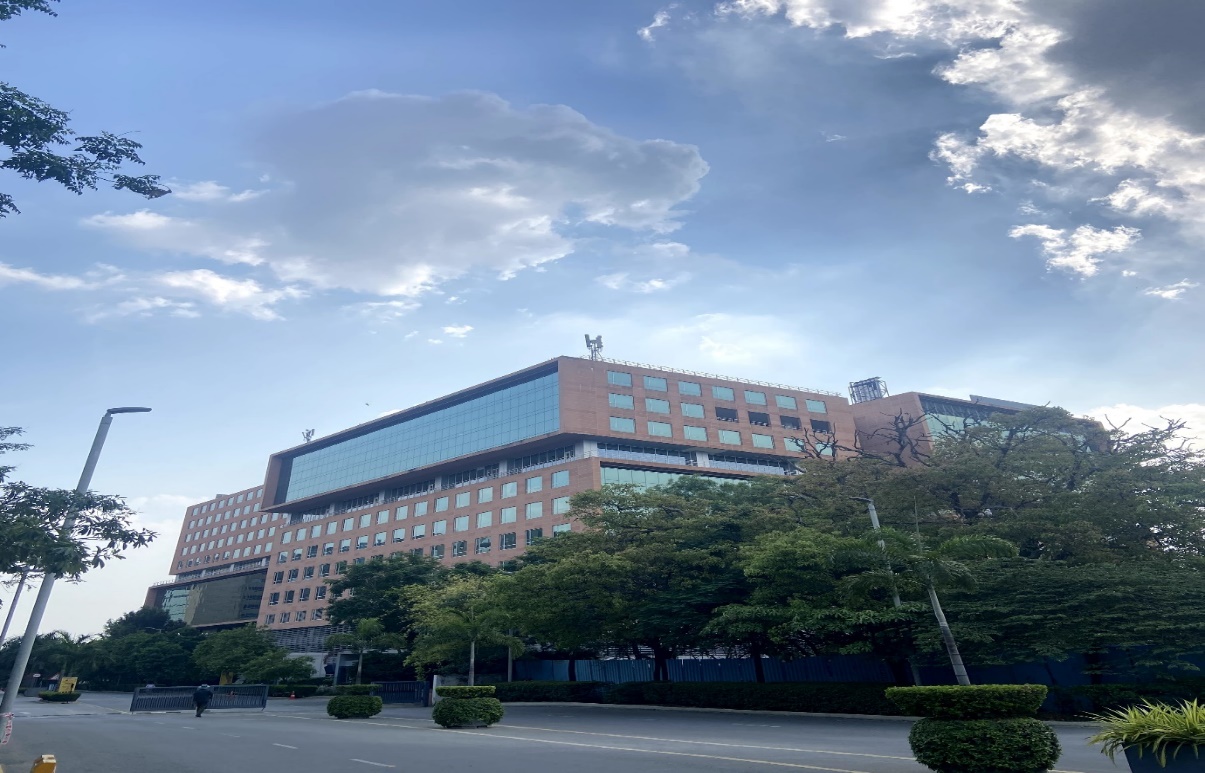
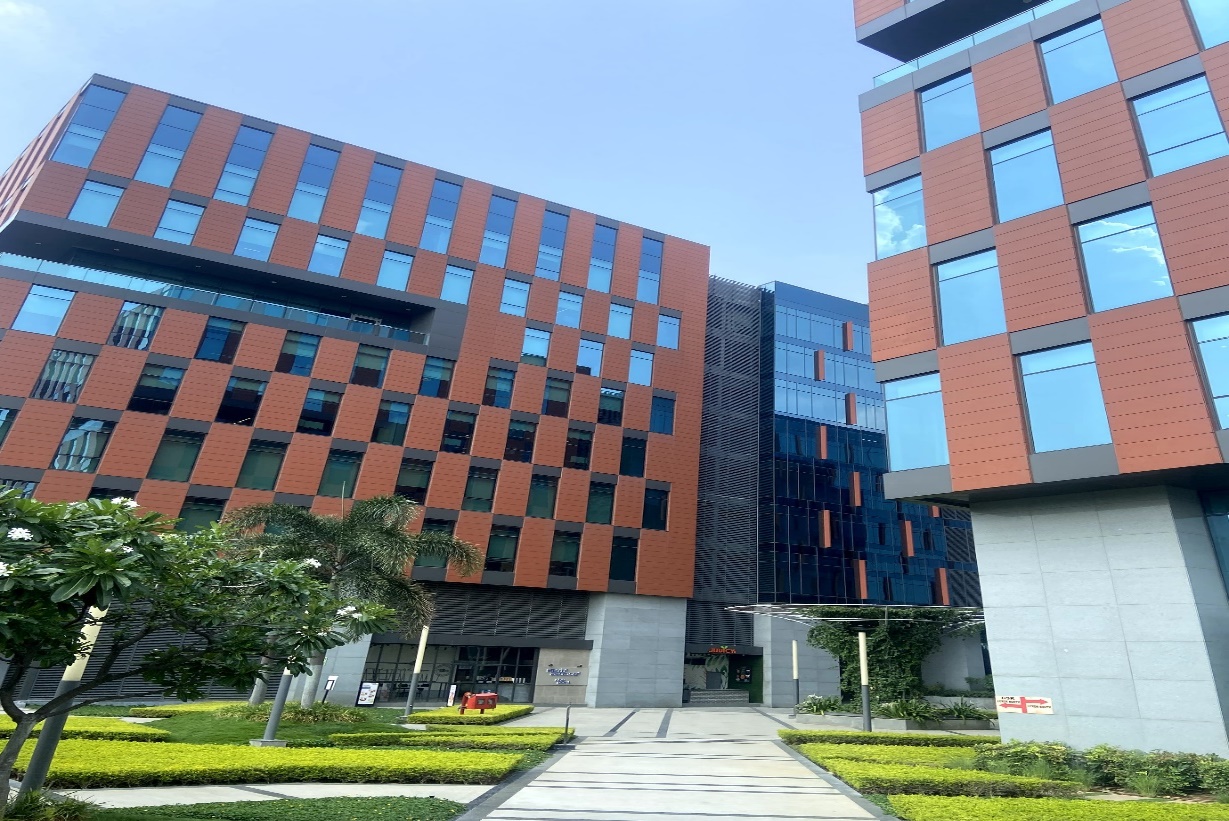
Visit To Microsoft India Private Ltd
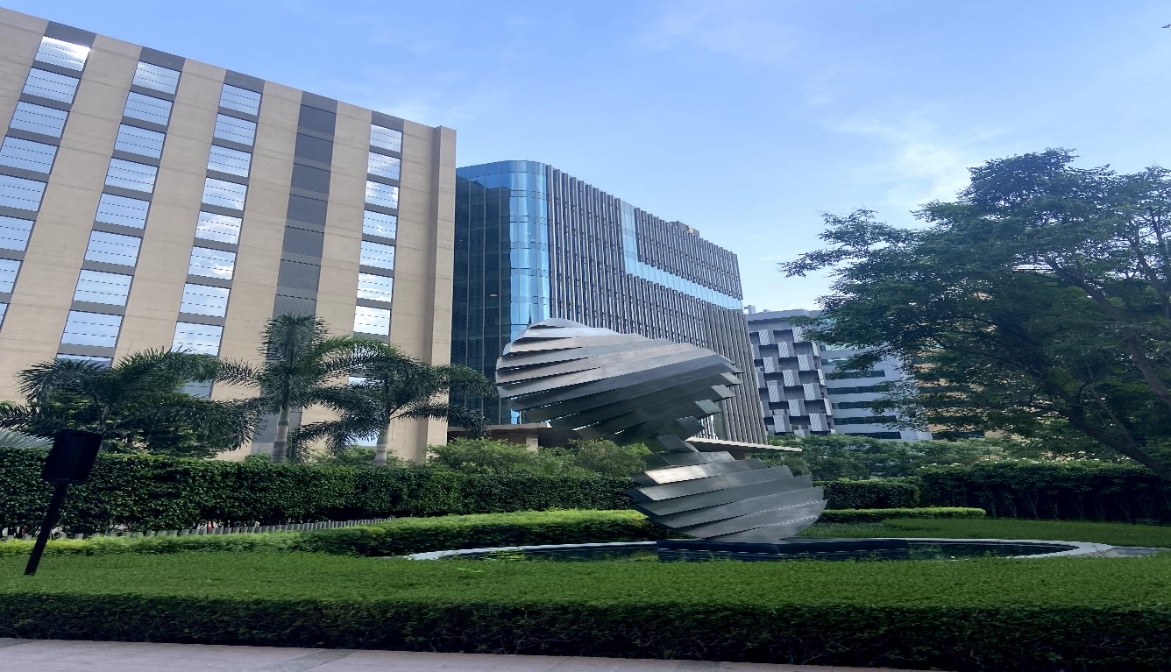
Visit To ISRO
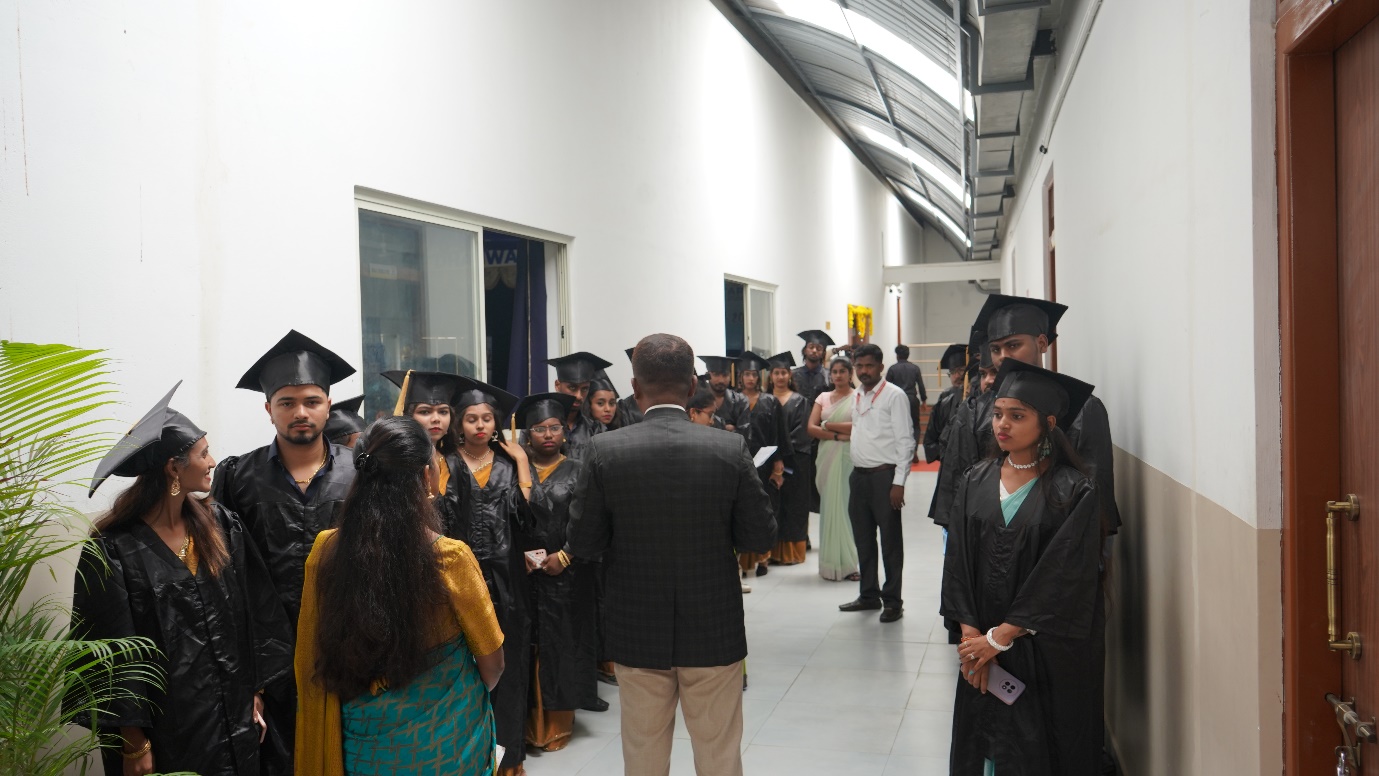
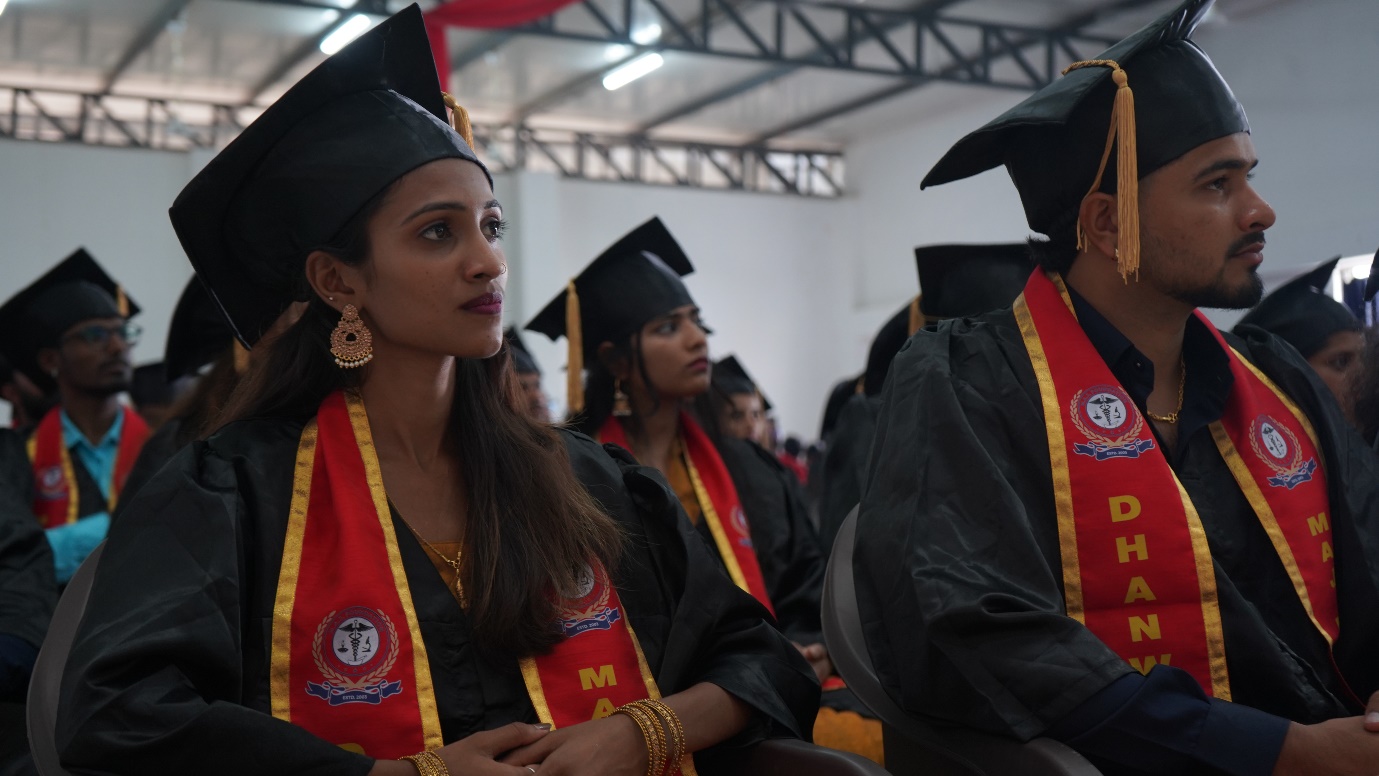
Gallery

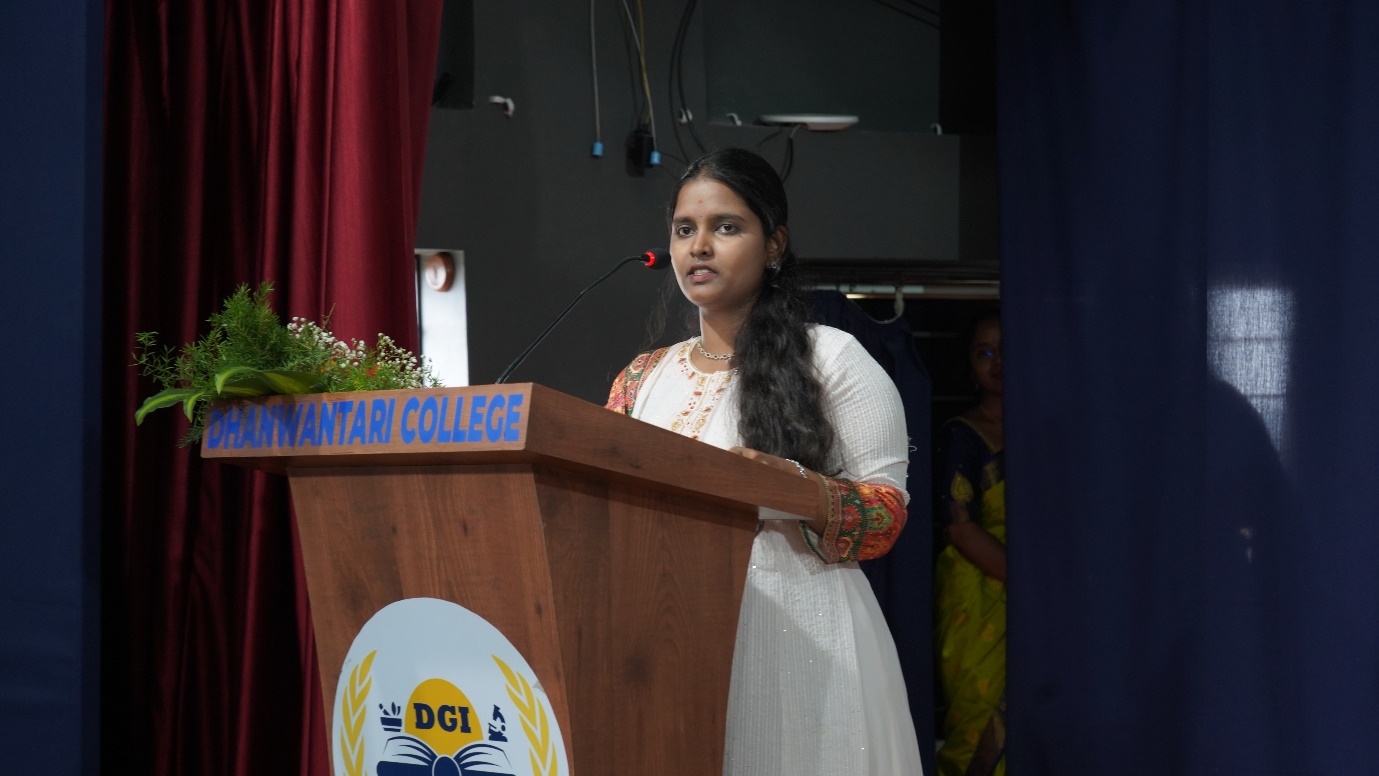
For Valued Added Course
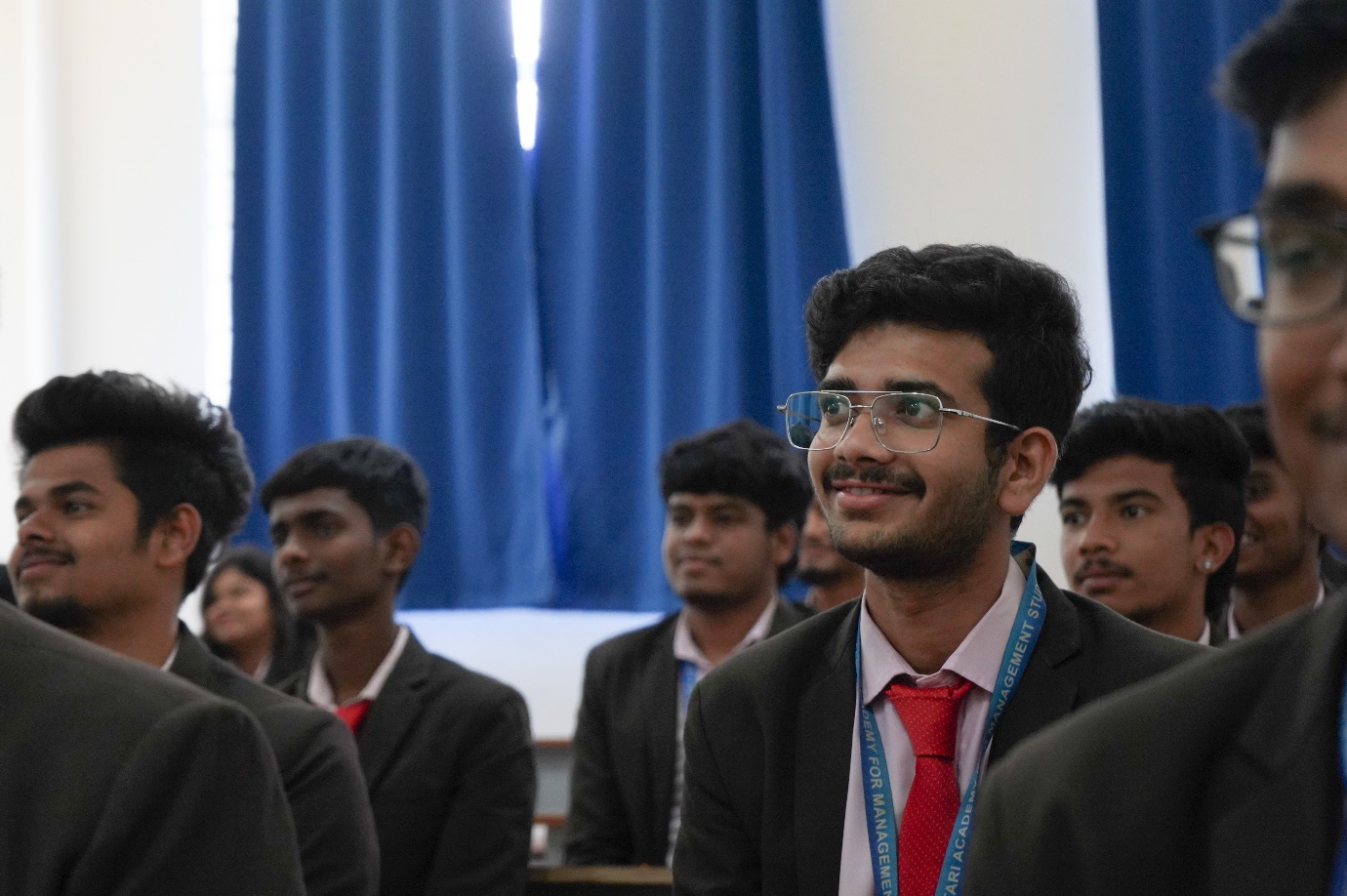
Value-Added Courses for MCA Students
1. Python Programming with Data Science Applications
Why?
Python is one of the most in-demand programming languages across industries — used in web development, data analytics, AI/ML, and automation.
Skills Gained:
Python programming basics, data structures, file handling, NumPy, Pandas, Matplotlib, data cleaning and visualization, real-world data analysis projects.
Career Opportunities:
Data Analyst, Python Developer, ML Engineer (entry-level), Automation Specialist
2. Full Stack Web Development
Why?
Enables students to build complete web applications — both frontend and backend, making them job-ready for developer roles.
Skills Gained:
HTML5, CSS3, JavaScript, React / Angular, Node.js, Express.js, MongoDB / MySQL, Git & GitHub, API integration, project deployment.
Career Opportunities:
Full Stack Developer, Web Developer, UI/UX Developer, Front-End Engineer.
3. Mobile App Development (Android/Kotlin)
Why?
Enables students to build complete web applications — both frontend and backend, making them job-ready for developer roles.
Skills Gained:
HTML5, CSS3, JavaScript, React / Angular, Node.js, Express.js, MongoDB / MySQL, Git & GitHub, API integration, project deployment.
Career Opportunities:
Full Stack Developer, Web Developer, UI/UX Developer, Front-End Engineer..
4. Cloud Computing Fundamentals (AWS / Azure / Google Cloud)
Why?
Cloud platforms power most modern applications — knowledge of cloud concepts gives a competitive edge in the IT job market.
Skills Gained:
Cloud architecture, storage and compute services, virtual machines, deployment of web apps, introduction to DevOps, cloud security basics.
Career Opportunities:
Cloud Associate, Cloud Support Engineer, DevOps Assistant, System Administrator.
5. Cyber Security and Ethical Hacking
Why?
In the digital era, cybersecurity is essential for protecting data, systems, and networks.
Skills Gained:
Network security fundamentals, penetration testing, cryptography, threat detection, ethical hacking techniques, tools like Wireshark, Nmap, Metasploit.
Career Opportunities:
Cybersecurity Analyst, Ethical Hacker, Network Security Engineer, SOC Analyst.
The Master of Computer Applications (MCA) is a rigorous postgraduate program designed to produce advanced computing professionals equipped with deep technical expertise, analytical proficiency, and leadership capabilities. The curriculum emphasizes high-level programming, systems design, artificial intelligence, data science, and enterprise application development. Interdisciplinary knowledge from domains such as management, mathematics, and communication skills further strengthens the learner’s professional profile.
The MCA programme prepares students for diverse career opportunities in the ever-evolving IT sector. Graduates can pursue roles such as Business Analysts, System Analysts, IoT Engineers, Cloud Architects, Data Analysts, Data Scientists, Database Administrators, Network Professionals, Software Testers, Web Designers and Developers, Programmers, and IT Managers. The programme’s comprehensive approach ensures students are industry-ready, adaptable, and capable of excelling in various domains of Information Technology and Management.
Eligibility Criteria
-
Educational Qualification: Bachelor’s degree in Computer Applications, Computer Science, IT, or related disciplines (BCA/B.Sc. CS/IT, etc.) -
Minimum Marks: Generally 50–60% aggregate (varies by institution) -
Entrance Exam: Admission may be through national/state-level entrance tests (e.g., NIMCET, CUET-PG) or merit-based depending on the university -
Lateral Entry Option: Direct entry to 2nd year for eligible candidates with BCA/B.Sc. (CS/IT) background (where applicable) -
No Age Limit (in most institutions)
Program Outcomes
-
Advanced Computing Knowledge – Develop expertise in programming, algorithms, AI, and system architecture -
Complex Problem Solving – Design scalable, secure, and efficient solutions to real-world problems -
Enterprise Systems Development – Build complex software systems using modern development frameworks and platforms -
Research & Innovation – Conduct applied research in emerging tech domains like AI, ML, and Cybersecurity -
Project Management – Plan, execute, and manage large-scale IT projects -
Professional Ethics – Practice ethical responsibility and uphold legal standards in technology use -
Effective Communication – Deliver impactful technical and business communication -
Collaborative Leadership – Lead and contribute to cross-functional teams in dynamic work environments -
Adaptability & Continuous Learning – Stay relevant through continuous self-learning and skill upgrades -
Entrepreneurial Thinking – Innovate and initiate ventures in the tech startup ecosystem
Career Prospects
-
Software Engineer / Architect -
Data Scientist / AI Engineer -
Cloud Solutions Architect -
Cybersecurity Specialist -
DevOps Engineer -
Full Stack Developer -
Product Manager – Tech
-
Systems Analyst -
IT Consultant / Technical Lead -
R&D Professional -
IT Manager / Project Coordinator -
Academician / Researcher -
Public Sector Roles (NIC, DRDO, ISRO, etc.) -
Entrepreneur / Startup Founder
Vision
To establish a pioneering hub for postgraduate computing education that integrates cutting-edge technologies like AI, Cloud Computing, and Cybersecurity, producing globally competent and ethically responsible IT professionals.
Mission
To provide a transformative MCA learning experience that blends theoretical depth with real-world application. The department fosters critical thinking, innovative problem-solving, and research through a curriculum enriched with advanced computing, industry collaborations, and experiential learning.

Goals
- Equip students with advanced knowledge in core and emerging computing areas
-
Bridge academia and industry through project-based and experiential learning
-
Encourage innovation, research, and entrepreneurship
-
Promote global competence and lifelong learning
-
Foster leadership and teamwork in professional environments
-
Nurture socially responsible technologists
Departmental Activities
1. Advanced Certification Programs
Enhance your profile with industry-recognized certifications in high-demand domains:
-
Artificial Intelligence & Machine Learning (with TensorFlow, PyTorch)
-
Advanced Data Science with Python/R
-
Cloud Computing & DevOps (AWS, Azure, Kubernetes)
-
Blockchain Technology & Smart Contracts
-
Full Stack Development (MERN / Django + React)
-
Advanced Java and Microservices Architecture
-
Cybersecurity and Ethical Hacking
-
Data Engineering with Hadoop, Spark, Kafka
2. MCA Tech Symposium
An annual postgrad-level event offering seminars, paper presentations, and coding competitions. Students participate and lead in organizing industry guest lectures, project expos, and tech challenges.
3. Special Learning Experiences
- Industry Workshops & Hackathons
Conducted with leading tech firms to provide hands-on exposure to real-time problem-solving and agile methodologies. - Internships & Live Projects
Mandatory internships and capstone projects with IT companies, startups, and research labs enhance employability and innovation. - Industrial Visits & Tech Tours
Visits to major R&D and IT hubs including:- Infosys Campus
- IBM Research Labs
- TCS Innovation Labs
- Intel India
- IIITs & IITs for research collaborations
Syllabus & Academic Resources
[Click here to view/download the detailed MCA curriculum, semester-wise syllabus, and previous year question papers.]